
Introduction
Most people buy health insurance for one simple reason: they want help paying medical bills when they get sick or injured. While this is certainly one of the biggest benefits, many people are unaware that comprehensive health insurance plans offer much more than just basic medical coverage.
In 2026, healthcare costs continue to rise, and medical treatments are becoming more advanced—and more expensive. A comprehensive health insurance plan can provide protection against these costs while also offering several hidden advantages that many policyholders rarely think about until they need them.
From preventive care and mental health support to access to specialists and financial security, comprehensive health insurance can improve both your health and your overall quality of life. These hidden benefits often provide value far beyond the monthly premium you pay.
This article explores the lesser-known advantages of comprehensive health insurance plans and explains why they are becoming increasingly important for individuals and families.
What Is a Comprehensive Health Insurance Plan?
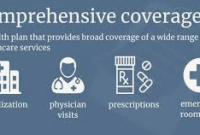
A comprehensive health insurance plan is a policy that covers a wide range of healthcare services rather than only basic medical expenses.
Depending on the insurer and plan, comprehensive coverage may include:
- Doctor visits
- Hospitalization
- Emergency care
- Surgery
- Prescription medications
- Preventive care
- Maternity services
- Mental health treatment
- Specialist consultations
- Diagnostic testing
- Rehabilitation services
Unlike limited insurance plans, comprehensive policies are designed to provide broad protection across many healthcare needs.
Why Many People Overlook the Hidden Benefits
When purchasing health insurance, most consumers focus on:
- Monthly premiums
- Deductibles
- Coverage limits
While these factors are important, they often overlook additional features that can provide significant long-term value.
Many hidden advantages only become noticeable when:
- A serious illness occurs
- A family member needs specialized care
- Long-term treatment is required
- Preventive services identify health issues early
These benefits can save both money and stress over time.
Hidden Advantage #1: Financial Protection Against Large Medical Bills
One of the most obvious yet underestimated benefits of comprehensive insurance is financial protection.
Medical emergencies can happen unexpectedly:
- Car accidents
- Heart attacks
- Severe infections
- Emergency surgeries
Without insurance, these situations can generate enormous medical bills.
A comprehensive plan helps cover many of these expenses, reducing the financial burden on individuals and families.
This protection helps prevent:
- Medical debt
- Loan dependency
- Savings depletion
- Financial hardship
Many people only realize the true value of insurance after facing a major medical event.
Hidden Advantage #2: Access to Preventive Care
Preventive care is one of the most valuable yet overlooked benefits of health insurance.
Preventive services often include:
- Annual physical exams
- Vaccinations
- Health screenings
- Blood pressure checks
- Cholesterol testing
- Cancer screenings
These services help detect health problems early.
Early diagnosis often leads to:
- Better treatment outcomes
- Lower healthcare costs
- Faster recovery
For example, detecting diabetes early can prevent serious complications later.
Prevention is often less expensive than treatment, making this benefit extremely valuable.
Hidden Advantage #3: Reduced Healthcare Costs Through Negotiated Rates
Many people assume insurance only saves money through coverage payments.
However, insurance companies also negotiate discounted rates with healthcare providers.
As a result:
- Insured patients often receive lower charges.
- Uninsured patients may pay significantly more.
Even before insurance contributes to the bill, these negotiated discounts can produce substantial savings.
This hidden advantage is rarely discussed but can reduce healthcare expenses considerably.
Hidden Advantage #4: Easier Access to Specialists
Certain health conditions require treatment from medical specialists.
Examples include:
- Cardiologists
- Oncologists
- Neurologists
- Orthopedic surgeons
- Endocrinologists
Specialist care can be expensive without insurance.
Comprehensive plans often provide easier access to specialist networks, allowing patients to receive expert care without overwhelming costs.
Early access to specialists can also improve treatment outcomes.
Hidden Advantage #5: Prescription Drug Savings
Prescription medications are becoming increasingly expensive.
Many people require ongoing medications for:
- Diabetes
- Asthma
- High blood pressure
- Heart disease
- Mental health conditions
Comprehensive health insurance frequently includes prescription drug benefits.
These benefits may:
- Lower medication costs
- Provide access to preferred pharmacies
- Reduce long-term treatment expenses
Over time, medication savings alone can exceed the cost of premiums for some individuals.
Hidden Advantage #6: Mental Health Coverage
Mental health is now recognized as a critical component of overall wellness.
Many comprehensive health insurance plans include coverage for:
- Therapy
- Counseling
- Psychiatric consultations
- Mental health treatments
Stress, anxiety, and depression can affect anyone.
Without insurance, mental healthcare services may be difficult to afford.
Access to mental health support helps individuals maintain emotional well-being and improve quality of life.
Hidden Advantage #7: Protection for the Entire Family
Comprehensive health insurance often extends benefits to family members.
Family plans can cover:
- Spouses
- Children
- Dependents
This ensures everyone has access to healthcare services when needed.
Children especially benefit from:
- Routine checkups
- Vaccinations
- Pediatric care
- Emergency treatment
Family coverage provides convenience and financial security under one policy.
Hidden Advantage #8: Better Management of Chronic Diseases
Chronic illnesses require ongoing care.
Common examples include:
- Diabetes
- Arthritis
- Asthma
- Hypertension
- Heart disease
Managing these conditions often involves:
- Regular doctor visits
- Prescription medications
- Laboratory testing
- Specialist consultations
Without insurance, treatment costs can become overwhelming.
Comprehensive plans help patients maintain consistent care, reducing the risk of serious complications.
Hidden Advantage #9: Coverage for Advanced Medical Treatments
Modern healthcare offers advanced treatment options that were unavailable just a few years ago.
Examples include:
- Robotic surgery
- Specialized cancer therapies
- Advanced imaging technologies
- Precision medicine
These treatments often come with high costs.
Comprehensive health insurance increases access to advanced medical care that might otherwise be unaffordable.
Hidden Advantage #10: Maternity and Newborn Benefits
For growing families, maternity coverage provides substantial value.
Many comprehensive plans include:
- Prenatal care
- Ultrasounds
- Delivery services
- Hospital stays
- Postnatal care
- Newborn healthcare
Pregnancy-related expenses can add up quickly.
Insurance coverage helps parents focus on their family’s health rather than worrying about medical bills.
Hidden Advantage #11: Rehabilitation Services
Recovery often continues after hospitalization.
Some patients require:
- Physical therapy
- Occupational therapy
- Speech therapy
- Rehabilitation programs
Comprehensive insurance plans frequently cover these services.
Rehabilitation can significantly improve recovery outcomes while reducing long-term disability risks.
Hidden Advantage #12: Protection Against Medical Inflation
Healthcare costs continue to increase every year.
Medical inflation affects:
- Hospital services
- Prescription medications
- Specialist care
- Diagnostic testing
Without insurance, rising healthcare costs become the patient’s responsibility.
Comprehensive health insurance helps shield families from much of this inflation by covering eligible medical expenses.
Hidden Advantage #13: Emergency Medical Coverage
Emergencies often occur without warning.
Examples include:
- Accidents
- Heart attacks
- Strokes
- Severe allergic reactions
Emergency care is typically among the most expensive healthcare services.
Comprehensive plans provide crucial protection by helping cover:
- Ambulance services
- Emergency room treatment
- Intensive care
- Emergency surgery
This benefit can prevent major financial losses.
Hidden Advantage #14: Encourages Earlier Treatment
Many uninsured individuals postpone healthcare because of cost concerns.
Unfortunately, delaying treatment can result in:
- More serious illnesses
- Higher medical expenses
- Longer recovery times
Comprehensive insurance encourages patients to seek care sooner.
Early intervention often leads to:
- Better health outcomes
- Lower overall costs
- Reduced complications
This advantage benefits both health and finances
Hidden Advantage #15: Improved Financial Planning
One often-overlooked benefit is financial predictability.
With comprehensive insurance, healthcare expenses become more manageable because policyholders understand:
- Premium costs
- Copayments
- Deductibles
- Coverage limits
Without insurance, a medical emergency can create sudden and unpredictable financial burdens.
Insurance makes budgeting easier and reduces uncertainty.
Hidden Advantage #16: Peace of Mind
Peace of mind may not have a monetary value, but it is one of the most important benefits of health insurance.
Knowing you have protection allows you to focus on:
- Your health
- Your family
- Your career
- Your future goals
When a medical issue arises, you can seek care confidently without constantly worrying about the cost.
This emotional security can significantly improve overall well-being.
Hidden Advantage #17: Better Health Outcomes
Research consistently shows that insured individuals are more likely to:
- Visit doctors regularly
- Receive preventive care
- Follow treatment plans
- Manage chronic conditions effectively
These behaviors contribute to better long-term health outcomes.
Comprehensive coverage supports healthier lifestyles and earlier intervention when problems arise.
Hidden Advantage #18: Access to Telemedicine Services
Many modern insurance plans now include telehealth or telemedicine services.
These services allow patients to:
- Consult doctors remotely
- Receive medical advice online
- Obtain prescriptions electronically
Benefits include:
- Convenience
- Faster access to care
- Reduced travel costs
- Improved healthcare accessibility
Telemedicine has become increasingly valuable in 2026.
Hidden Advantage #19: Protection During Major Life Changes
Life circumstances can change unexpectedly.
Examples include:
- Marriage
- Parenthood
- Career changes
- Aging parents
- New health conditions
Comprehensive health insurance provides stability during these transitions by ensuring access to healthcare when needs evolve.
Hidden Advantage #20: Long-Term Wealth Preservation
One of the most important hidden advantages is wealth preservation.
Without insurance, a serious illness could force individuals to:
- Use savings
- Sell investments
- Delay retirement plans
- Accumulate debt
Comprehensive insurance protects financial assets by helping cover major healthcare expenses.
This allows families to continue building wealth over time.
How to Choose a Comprehensive Health Insurance Plan
When selecting a plan, consider:
Coverage Scope
Look for plans that cover a broad range of healthcare services.
Network Providers
Ensure your preferred doctors and hospitals are included.
Prescription Benefits
Review medication coverage carefully.
Family Needs
Choose a plan that meets the healthcare needs of all household members.
Out-of-Pocket Costs
Understand deductibles, copays, and annual limits.
The best plan balances affordability with strong protection.
Conclusion
Comprehensive health insurance offers far more than simple protection against medical bills. While many people focus on premiums and basic coverage, the hidden advantages can provide enormous value over time.
From preventive care and prescription savings to mental health support, specialist access, family protection, and financial security, comprehensive health insurance plays a critical role in maintaining both health and wealth.
In 2026, healthcare costs continue to rise, making broad insurance coverage more important than ever. A comprehensive plan not only helps pay for treatment when illness strikes but also supports healthier living, earlier diagnosis, better medical outcomes, and greater peace of mind.
Ultimately, the hidden advantages of comprehensive health insurance extend beyond healthcare itself—they help create a more secure, stable, and financially protected future for individuals and families alike.