
Introduction
Healthcare is one of the most important expenses people face throughout their lives. While everyone hopes to stay healthy, accidents, illnesses, and medical emergencies can happen at any time. When healthcare is needed, one major question often arises:
Is it cheaper to have health insurance or simply pay medical expenses out of pocket?
Some people believe paying directly for healthcare saves money because they avoid monthly insurance premiums. Others argue that health insurance provides financial protection and ultimately saves more money, especially during unexpected medical situations.
The truth is that the answer depends on several factors, including your health condition, age, family size, and the type of medical care you need. However, for most families, health insurance provides significant financial advantages and reduces the risk of overwhelming medical expenses.
In this article, we’ll compare health insurance and paying out of pocket, examine the costs involved, and determine which option generally saves more money in the long run.
Understanding Health Insurance
Health insurance is a financial agreement between you and an insurance company.
In exchange for regular premium payments, the insurance company helps pay for eligible healthcare expenses.
Most health insurance plans cover:
- Doctor visits
- Hospital stays
- Emergency care
- Surgeries
- Prescription medications
- Preventive care
- Diagnostic tests
- Specialist consultations
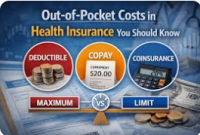
Instead of paying the full cost of medical treatment, policyholders typically share costs with the insurer through deductibles, copayments, and coinsurance.
What Does Paying Out of Pocket Mean?
Paying out of pocket means covering healthcare expenses entirely on your own without insurance assistance.
Every medical service must be paid directly by the patient, including:
- Doctor appointments
- Laboratory tests
- Hospital bills
- Medications
- Emergency treatment
- Surgical procedures
Some people choose this option because they:
- Rarely visit doctors
- Want to avoid insurance premiums
- Are young and healthy
- Believe healthcare costs will remain low
While this strategy may work temporarily, it can become risky when unexpected health issues occur.
Comparing the Two Approaches
Let’s examine both options more closely.
Health Insurance
Advantages
- Financial protection
- Lower treatment costs
- Access to preventive care
- Coverage for emergencies
- Prescription drug discounts
- Protection from catastrophic expenses
Disadvantages
- Monthly premiums
- Deductibles
- Copayments
- Coverage limitations
Paying Out of Pocket
Advantages
- No monthly premiums
- Complete flexibility in provider choice
- No insurance paperwork
Disadvantages
- Full responsibility for medical costs
- No protection against emergencies
- High financial risk
- Limited access to discounted rates
The Cost of Routine Healthcare
Many people evaluate health insurance based solely on routine medical care.
Consider annual healthcare expenses such as:
- Physical examinations
- Vaccinations
- Blood tests
- Minor illnesses
A healthy person may spend only a few hundred dollars per year on routine care.
In this scenario, paying out of pocket may initially appear cheaper.
For example:
Without Insurance
- Annual checkup: $150
- Blood work: $100
- Minor illness treatment: $150
Total: $400
With Insurance
- Annual premiums: Several thousand dollars
- Copays for visits
At first glance, paying directly seems less expensive.
However, this comparison only considers normal healthcare needs and ignores unexpected events.
The Real Risk: Medical Emergencies
The biggest weakness of paying out of pocket appears when emergencies happen.
Examples include:
- Heart attacks
- Stroke
- Car accidents
- Broken bones
- Emergency surgeries
- Serious infections
Medical emergencies often generate bills worth thousands or even tens of thousands of dollars.
Consider a simple emergency room visit:
- Emergency consultation
- Diagnostic testing
- Imaging scans
- Medication
The total cost can quickly exceed several thousand dollars.
Health insurance helps absorb much of these expenses.
Without insurance, the patient pays everything.
Hospitalization Costs
Hospital stays are among the most expensive healthcare services.
Hospitalization expenses may include:
- Room charges
- Nursing services
- Laboratory testing
- Medical equipment
- Specialist visits
- Surgery
Even a short hospital stay can be financially overwhelming.
Imagine a patient requiring:
- Emergency surgery
- Three-day hospital stay
- Follow-up care
The bill may easily reach tens of thousands of dollars.
For insured patients, a large portion of these expenses is covered.
For uninsured patients, the entire amount becomes their responsibility.
A Simple Financial Comparison
Let’s compare two individuals over five years.
Person A: Has Health Insurance
Annual premium: $3,000
Five-year premium cost:
$3,000 × 5 = $15,000
During year four, a medical emergency results in a hospital bill of $40,000.
Insurance covers most costs.
Out-of-pocket expenses:
$5,000
Total five-year healthcare spending:
$20,000
Person B: Pays Out of Pocket
No premiums paid.
For three years, healthcare costs remain low.
Then a medical emergency occurs.
Hospital bill:
$40,000
Additional treatment:
$5,000
Total:
$45,000
Although Person B saved money initially, one serious health event dramatically changed the outcome.
Protection Against Medical Debt
Medical debt is one of the most common financial burdens caused by healthcare expenses.
Without insurance, people may:
- Use credit cards
- Borrow money
- Take personal loans
- Withdraw retirement savings
Medical debt can affect:
- Credit scores
- Financial stability
- Future investments
- Family finances
Health insurance reduces this risk by covering a substantial portion of healthcare costs.
Preserving Emergency Savings
Many people maintain emergency funds for unexpected expenses.
Unfortunately, major medical bills can quickly consume those savings.
Imagine having:
- $20,000 in savings
Then suddenly facing:
- $30,000 in medical bills
Without insurance, years of savings could disappear overnight.
Health insurance acts as a protective barrier that helps preserve personal wealth.
Access to Preventive Care
One overlooked advantage of health insurance is preventive healthcare.
Many insurance plans cover:
- Annual checkups
- Screenings
- Vaccinations
- Wellness visits
Preventive care helps identify health problems early.
Early treatment often costs far less than treating advanced illnesses.
For example:
Detecting high blood pressure early may prevent:
- Heart disease
- Stroke
- Kidney damage
Preventive care benefits both health and finances.
Prescription Medication Costs
Medication expenses can add up quickly.
Common long-term medications include treatments for:
- Diabetes
- Hypertension
- Asthma
- Heart disease
Without insurance, monthly medication costs can be significant.
Health insurance often provides discounted prescription coverage.
Over several years, these savings can become substantial.
Chronic Illness and Long-Term Costs
Many people develop chronic conditions as they age.
Examples include:
- Diabetes
- Arthritis
- Heart disease
- Asthma
Managing chronic illnesses requires:
- Doctor visits
- Testing
- Medications
- Specialist care
These ongoing expenses can become expensive without insurance.
Health insurance makes long-term healthcare more affordable and predictable.
The Hidden Benefits of Insurance Networks
Insurance companies negotiate lower prices with hospitals and healthcare providers.
As a result:
- Insured patients often pay reduced rates.
- Uninsured patients may receive higher bills.
Even before insurance coverage is applied, network discounts alone can save significant amounts of money.
This benefit is often overlooked when comparing costs.
Financial Predictability
One advantage of health insurance is predictability.
With insurance, individuals generally know:
- Monthly premiums
- Deductibles
- Copays
This makes budgeting easier.
Without insurance, healthcare expenses are unpredictable.
One unexpected emergency can dramatically affect finances.
Predictable expenses are often easier to manage than large unexpected bills.
Family Coverage Considerations
Families face greater healthcare needs than individuals.
Children often require:
- Vaccinations
- Checkups
- Emergency care
- Specialist visits
Parents may also need regular healthcare services.
For families, health insurance often provides greater value because multiple people benefit from coverage.
A single medical emergency affecting one family member can justify years of insurance premiums.
When Paying Out of Pocket May Make Sense
Although insurance generally offers better protection, there are situations where paying directly might be reasonable.
Examples include:
Young and Healthy Individuals
People who rarely need medical care may spend less paying directly for routine services.
High-Income Individuals
Some wealthy individuals can comfortably absorb major healthcare expenses.
Short-Term Situations
Temporary periods without insurance may sometimes occur during employment transitions.
However, even healthy individuals can experience unexpected accidents or illnesses.
When Health Insurance Usually Saves More Money
Health insurance typically provides greater financial value when:
- You have a family
- You have children
- You take prescription medications
- You have chronic conditions
- You are older
- You want financial protection
- You want access to preventive care
For these groups, insurance often results in significant long-term savings.
The Psychological Value of Insurance
Financial savings are important, but peace of mind also has value.
Knowing that you are protected allows you to:
- Seek care promptly
- Follow treatment recommendations
- Focus on recovery
- Avoid worrying about large bills
This confidence can improve both financial and emotional well-being.
Common Misconceptions
“I’m Healthy, So I Don’t Need Insurance”
Many medical emergencies occur unexpectedly.
Good health today does not guarantee good health tomorrow.
“Insurance Is Too Expensive”
While premiums can seem costly, they are often far less expensive than major medical bills.
“I’ll Just Use My Savings”
Large medical expenses can quickly exceed personal savings.
Insurance helps protect those savings from being depleted.
Which Option Saves More Money?
For routine healthcare alone, paying out of pocket may sometimes appear cheaper.
However, healthcare decisions should not be based solely on routine expenses.
The true purpose of health insurance is to protect against rare but expensive events.
When considering:
- Emergencies
- Hospitalizations
- Surgeries
- Chronic illnesses
- Prescription medications
Health insurance generally saves more money over time for most individuals and families.
The financial protection it provides often outweighs the cost of premiums.
Conclusion
The debate between health insurance and paying out of pocket ultimately comes down to risk management. Paying directly for healthcare may seem less expensive when you are healthy and require only occasional medical care. However, life is unpredictable, and a single accident, illness, or hospitalization can generate medical bills that far exceed years of insurance premiums.
Health insurance offers financial protection, predictable healthcare costs, access to preventive services, discounted medical care, and peace of mind. It helps preserve savings, prevent medical debt, and ensure access to quality treatment when it is needed most.
For most people and families in 2026, health insurance is not simply an expense—it is a valuable financial safety net. While paying out of pocket may work in limited situations, health insurance generally provides greater long-term financial security and often saves more money when unexpected medical bills arise.