
Introduction
Healthcare expenses continue to rise every year, making medical care a significant financial concern for individuals and families. Many people only visit a doctor when they feel sick or experience serious symptoms. However, waiting until a health problem becomes severe can often lead to higher treatment costs, longer recovery periods, and more serious health complications.
This is where preventive care becomes extremely valuable.
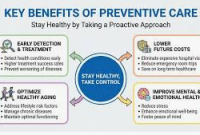
Preventive care focuses on preventing illnesses, detecting health problems early, and maintaining overall wellness before major medical issues develop. Many health insurance plans now include preventive care benefits because healthcare providers understand that preventing disease is often far less expensive than treating it.
In 2026, preventive healthcare is considered one of the most effective ways to improve health outcomes while reducing long-term medical expenses. By taking advantage of preventive care services, individuals can potentially save thousands of dollars on healthcare costs over their lifetime.
This article explains how preventive care works, the services it includes, and how it can help save substantial amounts of money while improving overall health.
What Is Preventive Care?
Preventive care refers to medical services designed to prevent illness, identify health risks early, and promote healthy living.
Unlike treatments that address existing diseases, preventive care focuses on stopping health problems before they become serious.
Common preventive care services include:
- Annual physical exams
- Vaccinations
- Blood pressure checks
- Cholesterol screenings
- Diabetes screenings
- Cancer screenings
- Health counseling
- Routine laboratory tests
- Wellness visits
The primary goal is early detection and prevention.
When health conditions are identified early, treatment is often simpler, more effective, and less expensive.
Why Preventive Care Matters More Than Ever
Modern lifestyles can increase the risk of many health problems.
Factors such as:
- Poor diet
- Lack of exercise
- Stress
- Smoking
- Alcohol consumption
- Aging
can contribute to serious medical conditions.
Many dangerous diseases develop slowly and show few symptoms during their early stages.
Examples include:
- High blood pressure
- Diabetes
- Heart disease
- Certain cancers
Without preventive care, these conditions may go unnoticed for years.
By the time symptoms appear, treatment may be more difficult and costly.
The Financial Logic of Prevention
Preventive care follows a simple principle:
Preventing disease is usually cheaper than treating disease.
Consider two scenarios.
Scenario 1: Early Detection
A routine screening detects high blood pressure.
The patient:
- Receives lifestyle advice
- Takes affordable medication
- Makes healthy changes
Annual healthcare costs remain relatively low.
Scenario 2: No Preventive Care
High blood pressure remains untreated for years.
Eventually, the patient experiences:
- Heart disease
- Stroke
- Kidney damage
Treatment now requires:
- Hospitalization
- Surgery
- Long-term medication
- Rehabilitation
Costs become dramatically higher.
This example illustrates why preventive care often saves money.
How Annual Checkups Reduce Healthcare Costs
Annual physical exams are among the most important preventive services.
During a checkup, doctors evaluate:
- Blood pressure
- Weight
- Heart health
- Overall wellness
Routine exams help identify warning signs before they become serious.
For example, a doctor may notice:
- Elevated blood pressure
- Abnormal cholesterol levels
- Early diabetes indicators
Early intervention often prevents expensive medical complications later.
A simple annual visit can potentially save thousands of dollars in future healthcare expenses.
The Value of Vaccinations
Vaccinations are one of the most successful preventive healthcare tools ever developed.
Vaccines help protect against diseases such as:
- Influenza
- Hepatitis
- Pneumonia
- COVID-19
- Human papillomavirus (HPV)
Vaccination costs are generally much lower than treatment costs.
For example:
Treating a severe infection may require:
- Hospitalization
- Prescription drugs
- Follow-up care
A vaccine can often prevent the illness entirely.
This protects both health and finances.
Preventing Heart Disease
Heart disease remains one of the leading causes of death worldwide.
Risk factors include:
- High blood pressure
- High cholesterol
- Smoking
- Obesity
- Diabetes
Preventive screenings help identify these risks early.
Doctors can then recommend:
- Diet improvements
- Exercise programs
- Medications
- Lifestyle changes
Preventing a heart attack can save tens of thousands of dollars in emergency care, surgery, and rehabilitation expenses.
Early Detection of Diabetes
Diabetes affects millions of people around the world.
When left untreated, diabetes can lead to:
- Kidney disease
- Vision problems
- Nerve damage
- Heart disease
Routine blood tests can detect diabetes during its early stages.
Early treatment often involves:
- Lifestyle modifications
- Monitoring blood sugar
- Medication management
These interventions are far less expensive than treating advanced complications.
Cancer Screenings Save Lives and Money
Cancer treatment can be extremely costly.
Advanced cancer often requires:
- Surgery
- Chemotherapy
- Radiation therapy
- Hospital stays
Preventive screenings help detect cancer early.
Examples include:
- Mammograms
- Colon cancer screenings
- Cervical cancer screenings
- Prostate screenings
Early-stage cancer is often:
- Easier to treat
- Less expensive to manage
- Associated with better outcomes
Early detection benefits both patients and healthcare budgets.
Reducing Emergency Room Visits
Emergency room care is among the most expensive healthcare services.
Many emergency visits occur because underlying conditions were not identified or managed early.
Preventive care helps reduce emergency visits by:
- Detecting health problems sooner
- Managing chronic conditions
- Preventing complications
Fewer emergencies translate into significant healthcare savings.
Managing Chronic Conditions More Effectively
Chronic illnesses require long-term care.
Examples include:
- Asthma
- Hypertension
- Diabetes
- Arthritis
Preventive care helps patients:
- Monitor symptoms
- Adjust treatments
- Prevent worsening conditions
Well-managed chronic diseases often require fewer hospital visits and less intensive treatment.
This reduces both healthcare costs and disruptions to daily life.
Lower Prescription Costs Through Prevention
Preventive care can also reduce medication expenses.
For example:
A person who improves diet and exercise habits may reduce the need for certain medications.
Similarly, preventing illness often eliminates the need for costly treatments later.
Although some preventive services involve small upfront costs, they frequently result in larger long-term savings.
Workplace Benefits of Preventive Care
Preventive healthcare doesn’t only help individuals.
Employers also benefit.
Healthy employees tend to:
- Miss fewer workdays
- Be more productive
- Experience fewer medical absences
As a result:
- Healthcare costs decrease
- Workplace efficiency improves
Many employers encourage preventive care through wellness programs and insurance benefits.
Protecting Family Finances
Unexpected medical expenses can create financial hardship for families.
Preventive care helps reduce these risks.
When family members stay healthier:
- Medical bills remain lower
- Savings remain intact
- Financial stress decreases
Preventive healthcare becomes an important part of long-term financial planning.
Mental Health Prevention
Preventive care is not limited to physical health.
Mental health services also play an important role.
Preventive mental healthcare may include:
- Counseling
- Stress management
- Mental wellness assessments
Early support can prevent:
- Severe anxiety
- Depression
- Emotional burnout
Treating mental health issues early often reduces long-term healthcare costs and improves quality of life.
The Hidden Cost of Ignoring Preventive Care
Some people avoid preventive care because they feel healthy.
However, many diseases develop silently.
Ignoring screenings and checkups can result in:
- Delayed diagnosis
- More expensive treatments
- Longer recovery times
- Increased medical bills
What seems like a cost-saving decision today may lead to much larger expenses later.
Real-Life Example
Consider two individuals.
Person A Uses Preventive Care
- Annual checkups
- Blood tests
- Routine screenings
High cholesterol is detected early.
The person:
- Improves diet
- Exercises regularly
- Takes medication if needed
Healthcare costs remain manageable.
Person B Skips Preventive Care
No checkups for years.
High cholesterol remains untreated.
Eventually, a heart attack occurs.
Expenses may include:
- Emergency transportation
- Hospitalization
- Surgery
- Rehabilitation
The total cost can be many times higher than years of preventive care.
This simple example demonstrates the financial value of prevention.
Why Health Insurance Covers Preventive Care
Insurance companies understand that prevention reduces long-term costs.
As a result, many health insurance plans cover preventive services such as:
- Wellness exams
- Vaccinations
- Screenings
- Health counseling
Although insurers pay for these services initially, they often save money by avoiding expensive future treatments.
This creates benefits for both insurers and policyholders.
Preventive Care and Healthy Aging
As people age, healthcare needs often increase.
Preventive care helps older adults:
- Monitor health conditions
- Maintain independence
- Prevent serious illnesses
Regular screenings can identify age-related risks before they become major problems.
Healthy aging often results in lower healthcare costs and a better quality of life.
Building Healthy Habits Through Prevention
Preventive care encourages healthier lifestyles.
Doctors often provide guidance on:
- Nutrition
- Exercise
- Weight management
- Smoking cessation
- Stress reduction
These healthy habits reduce the risk of many chronic diseases.
The result is better health and lower medical expenses over time.
The Long-Term Financial Impact
The true value of preventive care becomes clear over many years.
Individuals who prioritize prevention often experience:
- Fewer hospitalizations
- Lower treatment costs
- Reduced medication expenses
- Better health outcomes
These savings can amount to thousands—or even tens of thousands—of dollars over a lifetime.
Preventive care should be viewed as an investment rather than an expense.
The Future of Preventive Healthcare
Healthcare systems increasingly focus on prevention rather than treatment.
Emerging trends include:
- Personalized health screenings
- Wearable health technology
- Telemedicine wellness programs
- AI-assisted health monitoring
These innovations help detect problems earlier and improve preventive care effectiveness.
As technology advances, prevention will continue to play a larger role in reducing healthcare costs.
Conclusion
Preventive care is one of the most effective ways to improve health while reducing medical expenses. Rather than waiting for illness to develop, preventive care focuses on identifying risks early, promoting healthy habits, and preventing serious medical conditions before they become costly.
Services such as annual checkups, vaccinations, screenings, and wellness counseling can help detect health problems in their earliest stages, when treatment is often simpler, more effective, and far less expensive. By reducing the need for emergency care, hospitalizations, surgeries, and long-term treatments, preventive care can save individuals and families thousands of dollars over time.